
Cavalier Medication Guide for Sitters
7 min read · Updated July 2026
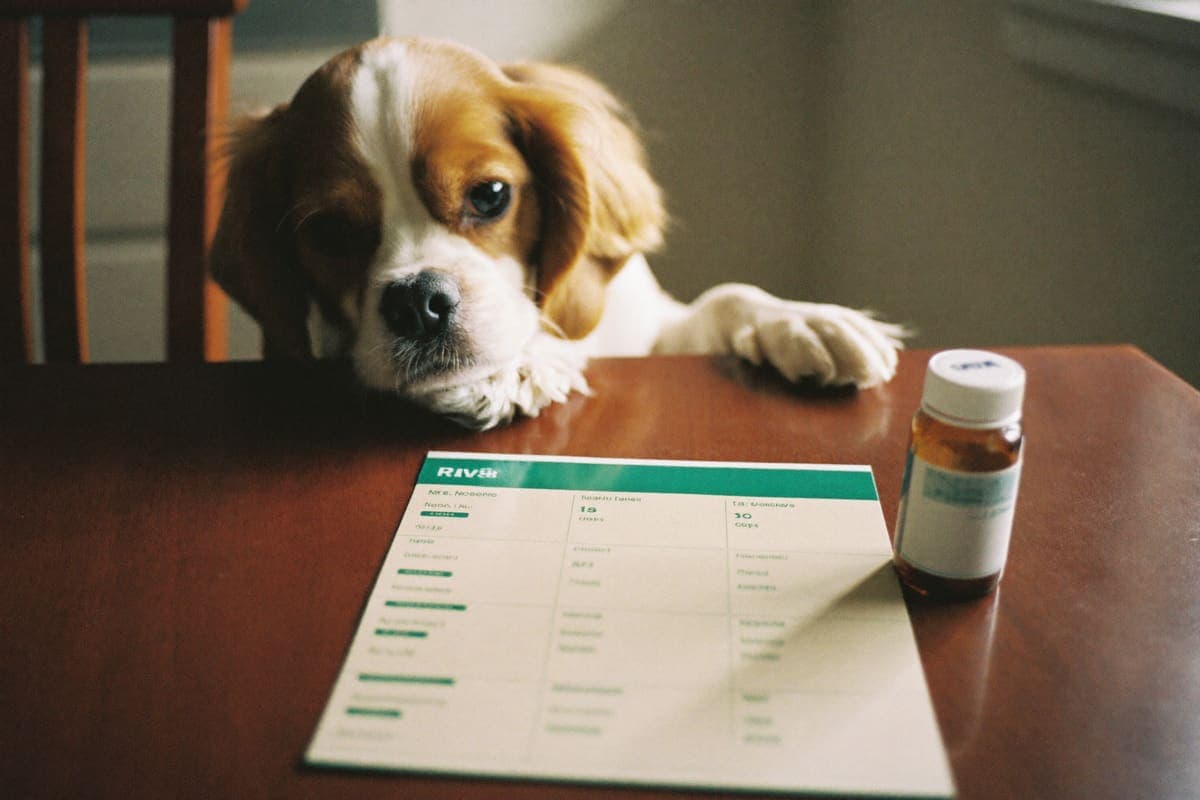
Plenty of Cavaliers come with a med sheet (heart medication, comfort medication, or both), and handling someone else's medication schedule can feel like the most high-stakes part of a sitting stay. It doesn't have to be. The whole point of a structured handoff is that you're never guessing: everything you need is written down before the dog ever arrives.
This guide walks through how to think about the different categories of medication you might encounter, how CavSwap's structured med fields make the handoff cleaner, and what to do if something goes sideways.
The timing-matters class
Some medications work best, or only work as intended, when given on a specific schedule relative to food or time of day. The most common example in Cavaliers is heart medication like pimobendan (brand name Vetmedin), which is generally given on an empty stomach and on a consistent schedule. Diuretics, often prescribed alongside heart medication, mean the dog may need to go outside more often than usual, especially a few hours after a dose.
None of this requires you to understand the pharmacology; it requires you to follow the owner's written schedule exactly. If the med sheet says "empty stomach, 7am and 7pm," that's the plan, full stop. Never adjust timing on your own, even if it seems like it would be more convenient, and never give a dose "early" to get ahead of a busy day.
The comfort class
Some Cavaliers are on medication for joint comfort, anxiety, or nerve-related conditions like syringomyelia; things like gabapentin fall in this category. These are usually more flexible on exact timing than heart medication, but "usually more flexible" still means "follow the sheet," not "wing it." If the owner's notes say a dose can shift by an hour or two, that's their call to make in writing, not yours to assume.
The missed-dose protocol
This is the single most important thing to memorize: if you miss a dose or aren't sure whether one was given, call the owner. Never double up. Doubling a missed dose to "catch up" can be genuinely harmful depending on the medication, and it's never worth the risk of guessing. Owners would always rather get a call about a missed dose than find out later that a sitter tried to compensate on their own.
If you can't reach the owner right away, note the time you noticed the miss, don't give an extra dose to make up for it, and keep trying to reach them or their backup contact. This isn't a reason to panic; it's a reason to make one phone call.
Storage
Keep medication in its original labeled container, exactly as the owner packed it; don't transfer pills into a pouch or organizer, even if it seems tidier. The original label is your reference if a question comes up, and it's what you'd hand to an emergency vet if you ever needed to. Store it somewhere it won't get too hot (not in a car, not on a sunny windowsill) and out of reach of curious dogs, including the sitter's own.
The med log habit
Whether or not CavSwap's structured fields require it, it's worth keeping a simple running log during any stay that involves medication: date, time, what was given, and any notes (dog seemed extra sleepy after, skipped a meal that day, etc.). This does two things: it prevents the "did I already give this?" moment that happens more often than people expect, and it gives the owner a clear picture of the whole stay when they get back, not just a summary from memory.
A simple version works fine:
- Morning dose given (time: ______)
- Evening dose given (time: ______)
- Any missed or delayed doses noted, with owner contacted: yes / no
- Any unusual reaction observed: yes / no (details: ______)
Why the structured fields matter
CavSwap's med fields exist specifically so this information travels with the dog in a consistent format every time: medication name, schedule, food relationship, and owner notes, all in the same place a sitter already knows to check. It's the same information a good handwritten note would carry, just less likely to get lost, skipped, or read differently by two different people.
FAQ
What if the medication schedule in the app doesn't match what the owner tells me in person?
Always confirm with the owner directly and go with whatever they say most recently; schedules can change after a vet visit faster than an app entry gets updated. When in doubt, ask them to update the notes together before the stay starts.
Can I give a dose slightly early if we have an early morning planned?
Only if the owner's notes explicitly allow flexibility. For timing-sensitive medications like heart medication, stick to the schedule as written rather than shifting it for convenience.
What if I genuinely can't remember whether I already gave a dose?
Call the owner and be honest about the uncertainty. It's a far better outcome than either skipping a needed dose or accidentally doubling one.
Do I need to know exact dosages?
No. Dosing is always per your vet's instructions, communicated through the owner's med sheet. Your job is to follow that sheet precisely, not to make dosing decisions yourself.
Every CavSwap stay hands the sitter a printed Cav Card with the medication schedule spelled out in plain language, so nothing depends on memory. Pair this with the heart murmur checklist if the dog is on heart medication, or the syringomyelia checklist for comfort-medication handling notes. If you want your Cavalier's meds in experienced hands, join CavSwap to find a sitter who's done it.