
Cavalier Heat Safety in Southern California
7 min read · Updated July 2026
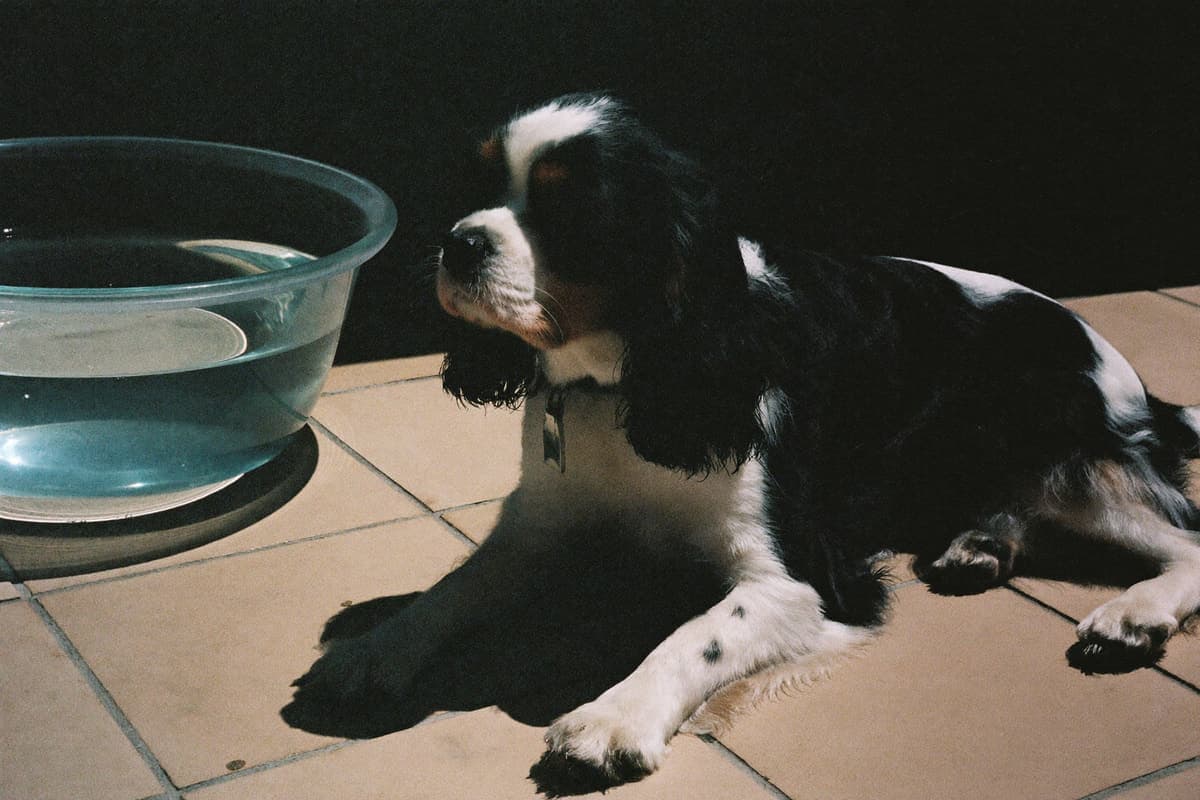
Southern California weather is a big part of why so many of us love living here, and it's also something to take seriously if you're caring for a Cavalier. The breed's heavy, silky coat and moderately shortened muzzle (nowhere near as extreme as a bulldog, but enough to matter) mean Cavaliers overheat faster than a lot of other dogs their size. None of this means you need to avoid the outdoors. It means knowing the rules ahead of time so a hot day never turns into an emergency.
The summer walk window
The safest walking hours in most of Southern California, roughly May through October, are early morning and after sunset: think before 9am and after 6-7pm once the sun has really dropped. Midday walks, even short ones, put a Cavalier's coat and airway to work against them at the exact time the ground and air are hottest. If a dog's normal walk time falls in the hot middle of the day during a stay, shift it earlier or later rather than sticking to the usual clock.
Watch the dog, not just the clock. A Cavalier who normally trots happily but starts lagging, seeking shade, or panting harder than usual partway through a walk has told you the walk is over. Head home; there's no need to push through to finish a planned route.
The pavement test
Before any walk on pavement, sidewalk, or asphalt in warm weather, press the back of your hand flat against the surface and hold it for seven seconds. If it's too hot for your hand to comfortably stay there, it's too hot for paw pads. This simple test catches a real, common cause of injury (pavement burns) that has nothing to do with air temperature feeling mild; a sunny afternoon that feels comfortable to a person standing can still have blistering-hot concrete underfoot.
When in doubt, stick to grass, dirt trails, or shaded routes, or walk early enough that the ground hasn't had hours to bake in direct sun.
Car rules, stated plainly
Never leave a dog alone in a parked car in Southern California, at any time of year, for any amount of time: not "just running in," not with the windows cracked, not in the shade. Car interiors heat up dramatically within minutes even on mild days, and a closed or barely-cracked car becomes dangerous far faster than most people expect. If you can't bring the dog inside wherever you're going, don't bring the dog on that errand at all.
Cooling signs versus heatstroke signs
Normal heat response, no action needed: heavier panting than usual during or after activity, seeking shade or a cool floor on a hot day, drinking more water, slowing down on a walk.
Warning signs (stop activity, cool the dog down, monitor closely): excessive panting that doesn't ease with rest and shade, bright red gums or tongue, noticeably tired or reluctant to keep moving, seeking out unusual spots (bathroom tile, under furniture) to lie on.
Get to an emergency vet now: collapse, vomiting or diarrhea after heat exposure, uncoordinated movement or stumbling, gums that look pale, blue, or very dark red/purple, unresponsiveness, or body heat that feels alarming to the touch paired with any of the above. Heatstroke escalates quickly; if you're genuinely unsure whether what you're seeing is serious, treat it as an emergency and call the vet on the way, not after.
If you see warning signs, move the dog to shade or air conditioning immediately, offer small amounts of cool (not ice-cold) water, and use a damp towel on the belly and paws while you decide next steps. Don't wait to see if it resolves on its own before reaching out to the owner.
Beach and park realities: inland OC versus the coast
Inland Orange County (think areas well away from the coastline) regularly runs 15-20 degrees hotter than coastal towns on the same summer day. A walk that's perfectly comfortable in a coastal neighborhood at 2pm can be genuinely risky inland at the same hour. If you're sitting for a dog whose normal routine is coastal, or vice versa, adjust your expectations for what a "normal" midday outing looks like in the new location.
Beach days themselves are usually a great option for a Cavalier in warm weather (sand is generally cooler underfoot than pavement, and there's often a breeze), but the same pavement test applies to beach parking lots, and standing water or tide pools aren't a substitute for fresh drinking water. Bring water regardless of how close you are to the ocean.
Harness fit in heat
A too-tight harness traps heat against the chest and can restrict the panting motion a dog relies on to cool down. Check that you can comfortably slide two fingers under any strap, and consider a lighter-weight harness for peak summer if the dog's usual one is heavier or padded. If a harness seems to be making a hot-weather walk noticeably harder on the dog, it's fine to switch to a well-fitted collar and leash for that outing instead, if the owner is comfortable with that as a backup option.
FAQ
Is it ever too hot to walk a Cavalier at all?
On genuinely extreme heat days, yes: skip the outdoor walk entirely and use indoor play or a very brief, shaded bathroom-only trip instead. There's no walk important enough to risk heatstroke over.
My dog seems fine in the heat. Do these precautions still apply?
Yes. A dog that seems fine can still be building up heat stress that shows up suddenly rather than gradually, especially with the Cavalier's coat and airway. The precautions cost little and prevent the situations where it goes wrong fast.
Are Cavaliers as heat-sensitive as flat-faced breeds like bulldogs?
No. Cavaliers have a moderate muzzle shape, not the extreme shortening seen in true brachycephalic breeds. But they're more heat-sensitive than a typical long-muzzled breed because of the coat and moderate airway combined, so it's worth taking seriously without needing bulldog-level caution.
What should I do if I'm not sure whether a dog's panting is normal or a warning sign?
When genuinely unsure, treat it as a warning sign: move to shade or air conditioning, offer water, and call the owner. It costs nothing to be cautious, and erring toward a check-in is always the right call.
Every CavSwap host receives the visiting dog's routine on the Cav Card, including any known heat sensitivity, so you're not guessing at what's normal for that specific dog. Pair this with preparing your Cavalier for a sitting swap for broader stay prep, or see the heart murmur sitter checklist since heat and cardiac issues often intersect. Your Cavalier should ride out a heat wave in a cool home, not a kennel. Join the circle.