
Preparing Your Cavalier for a Sitting Swap
7 min read · Updated July 2026
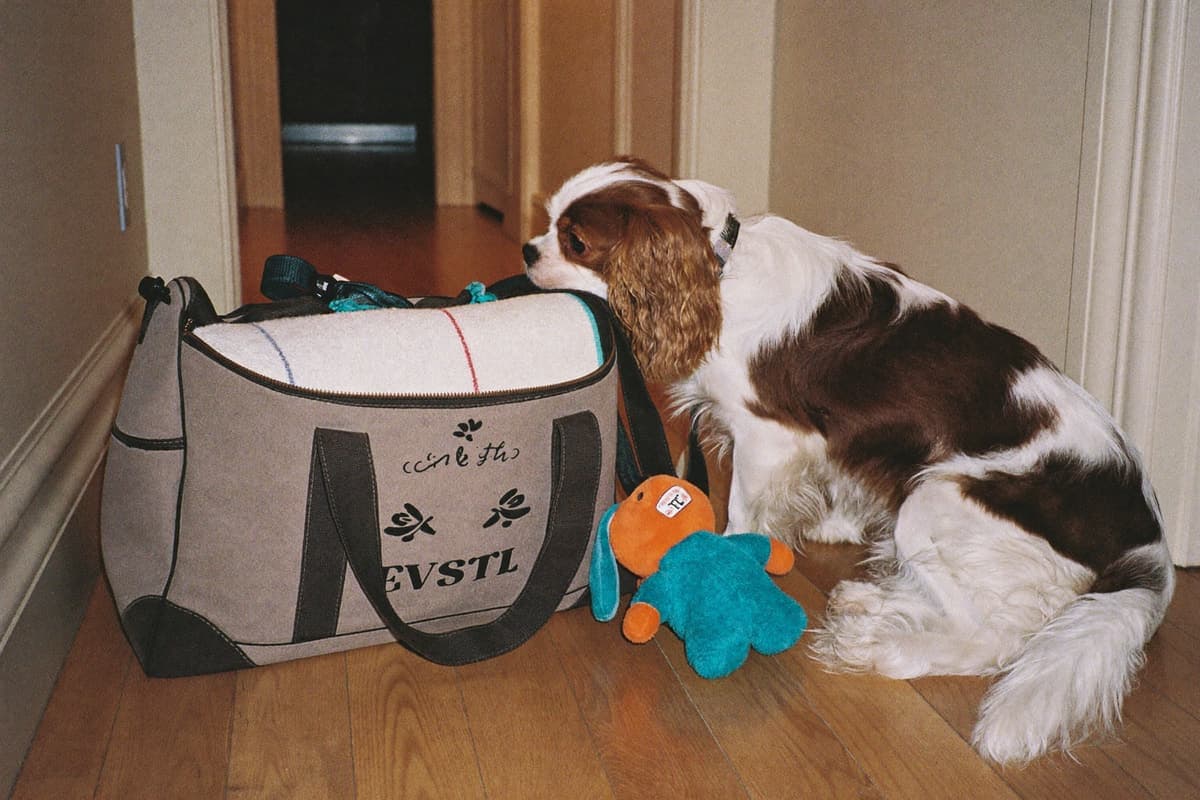
Once a meet-and-greet has gone well and a stay is confirmed, the last stretch before drop-off is about preparation: not big, complicated preparation, just the kind of thoughtful packing and routine-sharing that makes the actual stay go smoothly for everyone, dog included.
Here's what that looks like in practice.
The packing list
Food, pre-bagged per meal. Don't send a full bag of kibble and hope the measuring works out the same way it does at home. Pre-portion each meal into its own bag or container labeled with the day and time. It removes guesswork entirely and means the host is feeding exactly what you'd feed, no more, no less.
Medications in their original containers. As covered in the medication guide for sitters, original labeled containers are non-negotiable; they're the reference point if any question comes up during the stay.
The Cav Card. The printed summary of everything a host needs to know at a glance: routine, health notes, emergency contacts, quirks. Even with everything else packed well, this is the single document a host will reach for first.
A scent item. A worn (unwashed) t-shirt, a favorite blanket, or a bed that smells like home. This is a small thing that genuinely helps some dogs settle faster in a new environment, especially ones prone to anxiety.
Spare harness and leash. Things get left in cars, chewed, or simply forgotten; a spare set removes one entire category of stress from the handoff.
A simple checklist to run through before drop-off:
- Food pre-bagged per meal, labeled with day/time
- Medications in original containers, matching the Cav Card schedule
- Printed Cav Card
- Scent item (bed, blanket, or worn shirt)
- Spare harness and leash
- Any favorite toy or comfort item
- Emergency contact and backup contact confirmed with the host
Routine notes worth writing down
Beyond the Cav Card's structured fields, it's worth writing a few things in your own words: the small habits that don't fit neatly into a form but make a real difference to how settled a dog feels:
- What a normal day looks like hour by hour (wake time, walk time, meal time, nap spots).
- Any words or cues the dog specifically responds to.
- What "asking to go out" looks like for this particular dog.
- Anything that reliably calms the dog down if they're unsettled.
The trial-night idea
For a first stay with a new host, especially a longer one, consider suggesting a single trial night before the full stretch, if schedules allow it. It's not required, but it gives everyone (dog included) a low-stakes dry run: does the dog settle in that home, does the host's routine match what was discussed, does anything need adjusting before a week-long stay depends on it. Not every swap needs this, but for a longer first stay with a new match, it's worth asking.
A drop-off ritual that lowers anxiety
How drop-off happens matters more than people expect. A few things that help:
- Arrive with time to spare, not rushed; dogs pick up on hurried energy immediately.
- Do a short walk together first if possible, so the dog associates the new place with a calm activity rather than being dropped into an unfamiliar room cold.
- Keep the actual goodbye short and low-key. A long, emotional goodbye often unsettles a dog more than a brief, cheerful one. Say goodbye like you'll be back soon, because you will be.
- Leave without lingering at the door or window. It's tempting, but it tends to prolong the adjustment rather than ease it.
What a good first photo-update looks like
Hosts, this one's for you: a good first-day update photo isn't staged; it's just proof the dog is settling in okay. A photo of the dog exploring the yard, curled up on their scent item, or eating a meal is worth far more to an anxious owner than a posed portrait. Send it within the first few hours if you can, even if it's just "made it inside, sniffing everything, seems curious not stressed." That one message usually does more for an owner's peace of mind than anything else in the whole stay.
FAQ
How far in advance should I start packing?
A day or two ahead is plenty for most stays: enough time to portion food and double-check medication supply without the last-minute scramble that leads to forgotten items.
Is a trial night really necessary?
Not necessary, but worth considering for a longer first stay with a brand-new host, especially if your dog tends to take time to adjust to new places.
What if my dog seems anxious in the first update photo?
Some settling-in stress in the first few hours is normal; see the separation anxiety guide for what's typical during the first 48 hours versus what's worth a check-in call.
Should I bring my dog's regular bed, or will the host provide one?
Bring your dog's own bed or blanket if you can; the familiar scent helps far more than a comparable but unfamiliar bed would.
Every CavSwap stay hands the sitter a printed Cav Card built from exactly the notes described above, so nothing gets left to memory on either side. Pair this with the meet-and-greet checklist for what happens before this stage, or the medication guide for sitters if your dog is on a schedule. Once you're ready to line up that first stay, join CavSwap and meet a host near you.