
The Dog-Sitting Meet-and-Greet Checklist
7 min read · Updated July 2026
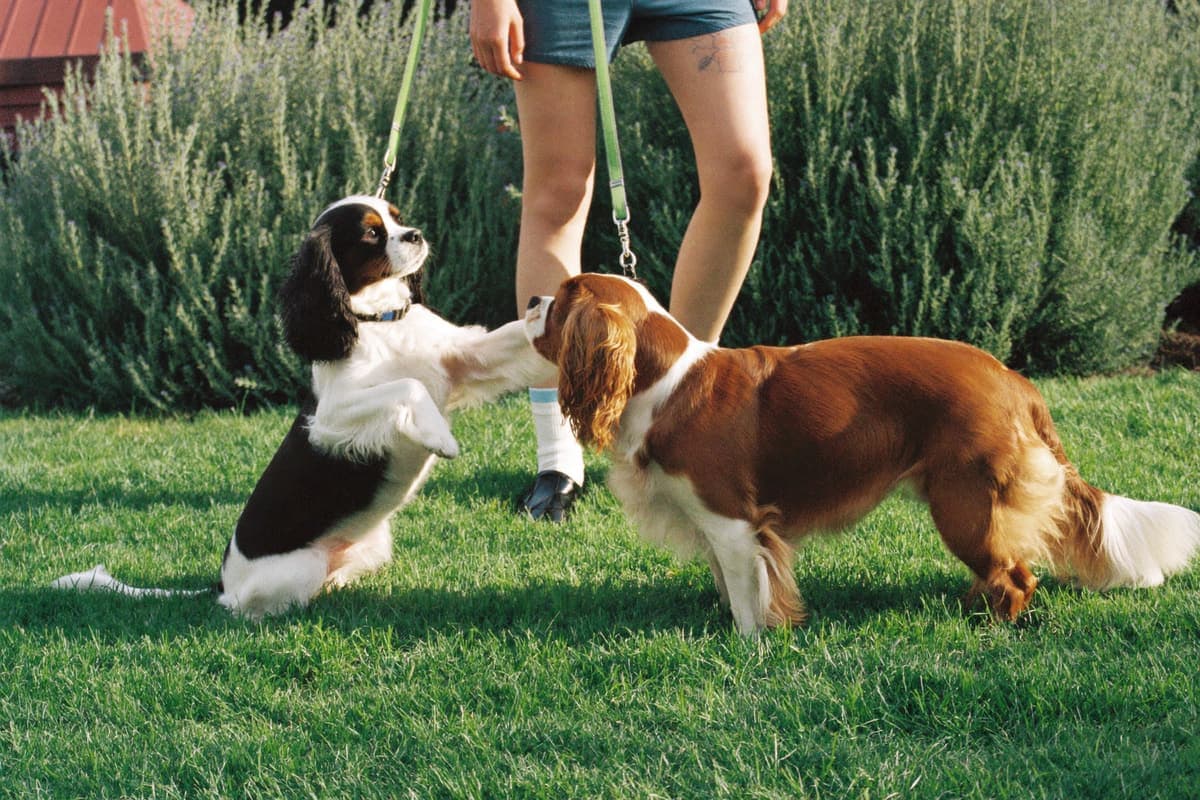
The meet-and-greet is the single most important step in a dog-sitting swap, and it's not just a formality; it's where a match either confirms itself naturally or reveals, kindly and early, that it isn't the right fit. CavSwap gates every stay confirmation on this meeting happening first, for exactly that reason.
Here's what a good one looks like, step by step.
Where to meet
A neutral location (a quiet park or a calm outdoor spot both dogs can approach at their own pace) tends to work best for the first few minutes, especially if either dog can be reactive to new dogs on their own turf. From there, move to the host's home so everyone can see the actual space where the stay will happen. Meeting only at a park and skipping the home walk-through misses half the point.
Who attends
Both owners, both dogs, and anyone else who lives in the host's home and will be around during the stay: a partner, kids, other pets. If someone in the household won't be around much during the actual stay dates, it's still worth them being at the meet-and-greet if they'll interact with the visiting dog at all.
The dog-intro choreography
A calm, structured intro goes a long way toward a good first impression between two dogs:
- Start on leash, at a distance. Let both dogs notice each other before closing the gap. Watch body language: loose, wiggly, curious is good; stiff, staring, or growling means slow down.
- Parallel walk if possible. Walking side by side (not nose to nose) for a few minutes lets dogs get used to each other's presence without the pressure of a face-to-face greeting.
- Allow a brief sniff greeting once both dogs seem relaxed, then call them apart before it escalates into anything, even excited play. Short and calm beats long and overstimulated.
- Move to the yard or a bigger space off-leash (if both dogs are reliably good off-leash and the space is secure) to see how they play. Most dogs settle into normal play within ten to fifteen minutes if it's going to work.
- End on a good note. If it's going well, let it run naturally. If it's tense, separate the dogs and talk it through as owners rather than pushing for a breakthrough that day.
Twenty minutes is usually enough time to know whether two dogs are going to get along. Trust what you see over what you hoped for going in.
The household walk-through
While the dogs settle in (or after, if things need to happen separately), walk through the home together:
- Gates and boundaries: where they are, how they latch, any that don't close all the way.
- Pool or water features: fenced or not, and the host's rule for supervised access.
- Other pets in the home: not just dogs; cats, small animals, anything that might change how the visiting dog needs to be managed.
- Kids in the home: ages, and how comfortable they are around a new dog, especially one they haven't met before.
- Where the visiting dog will sleep and eat, and whether that matches what the dog is used to at home.
Questions both sides should ask
The dog's owner should ask the host: What's your daily routine (walk times, feeding times)? Will the dog be alone during the day, and for how long? Do you have experience with [whatever this dog's specific needs are: heart murmur, SM, meds, anxiety]? What's your plan if there's an emergency?
The host should ask the owner: What's this dog's temperament with new people and spaces? Any triggers I should know about? What does a full care day actually look like (feeding, meds, walks, quiet time)? Who's the emergency contact, and who's the backup?
Both sides should leave with actual written answers, not just a verbal impression; this is exactly what the Cav Card is for.
Red flags, said kindly
Sometimes a meet-and-greet reveals that a match isn't right, and that's a completely normal, healthy outcome; better to find out now than mid-stay. Signs worth taking seriously:
- Persistent tension or guarding behavior between the dogs that doesn't ease with time and distance.
- A home environment that doesn't match what the dog needs (an unfenced pool for a dog who isn't a strong swimmer and needs supervision, for example).
- An owner or host who seems uncomfortable answering direct questions about care needs or routines.
- A gut feeling, from either side, that something's off. That's worth honoring even without a concrete reason.
None of this means either dog or either person did anything wrong. It just means this particular match isn't it, and there will be other hosts and other dogs in the circle.
How CavSwap gates confirmation on this
A swap request only moves to confirmed after both sides mark the meet-and-greet as complete. It's a deliberate design choice: nobody's dog gets dropped off somewhere neither party has actually verified in person, no matter how good things looked on a profile.
FAQ
How long should a meet-and-greet take?
Plan for 30 to 45 minutes total: enough time for the dog intro, the home walk-through, and a real conversation, without rushing any of it.
What if the dogs get along but I still feel unsure about the home or the person?
Trust that feeling. A good dog match doesn't override concerns about the environment or the fit with the household; both need to check out.
Can we do a meet-and-greet over video instead of in person?
No. CavSwap requires an in-person meet-and-greet before confirmation. Too much of what matters (how the dogs actually react to each other, what the space actually looks like) doesn't come through on a screen.
What happens if we don't click at the meet-and-greet?
You simply don't move forward with that match. There's no awkward next step required; just look at other hosts or requesters in the circle.
Every CavSwap stay hands the sitter a printed Cav Card, filled out together at the meet-and-greet, so nothing discussed in person gets forgotten by drop-off day. Pair this with preparing your Cavalier for a sitting swap for what happens next, or read what a dog-sitting swap actually is if you're still getting oriented. When you're ready to meet a host in person, join the circle to find one close by.