
Cavalier Separation Anxiety and Boarding
7 min read · Updated July 2026
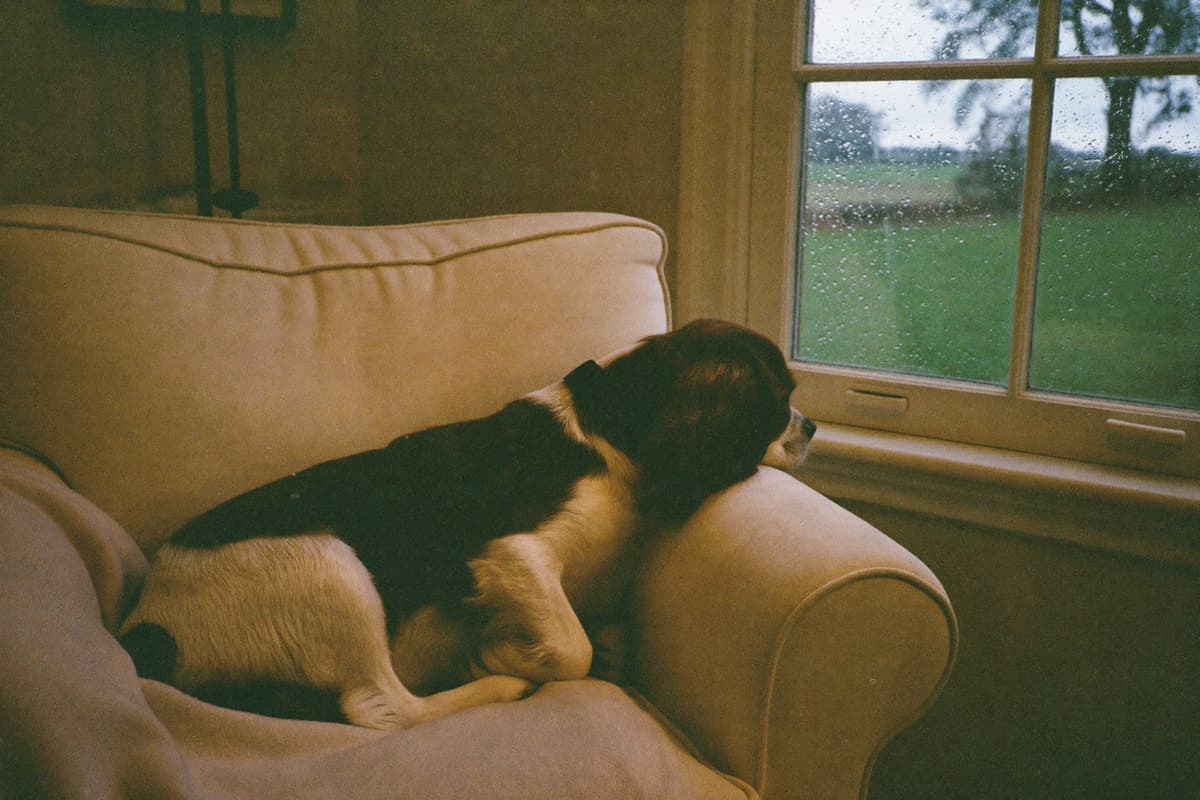
Cavaliers were bred to be companion dogs: near people, not working independently in a field or guarding a property alone. That history is a big part of why they're so beloved, and it's also why separation from their person can hit this breed harder than it hits a lot of others. If you've heard a Cavalier described as "velcro," this is the reason.
None of that means a Cavalier can't handle time away from their owner. It means it's worth understanding what a normal adjustment looks like, what sitters can actively do to help, and when a swap is genuinely the better option compared to a kennel (because in most cases, it is).
Why Cavaliers specifically
Companion breeds like the Cavalier were selected over generations for wanting to be close to people, not for tolerating long stretches alone. That's a real consideration during any time apart from an owner, whether that's boarding, a sitter, or a swap. It's not a flaw or a training failure; it's simply how the breed is built, and every Cavalier owner already knows this about their dog to some degree.
The first-48-hours curve
Almost every dog, Cavaliers especially, goes through some adjustment period at the start of a stay away from home. Understanding the typical curve helps a sitter tell normal settling from something that needs attention:
The first few hours: some clinginess to the sitter, extra alertness to sounds, maybe a lower appetite at the first meal. This is expected and usually eases as the dog explores and starts to trust the new space.
By the end of day one: most dogs have found a comfortable spot, started eating more normally, and are showing interest in walks, play, or attention from the sitter. Some dogs bounce back faster than others; that's fine too.
By 48 hours: a well-matched stay usually looks close to normal: the dog is eating on schedule, sleeping normally, engaging with the sitter, and settling into the household's rhythm.
If a dog is still showing significant distress past that first day or two (not eating, pacing, unable to settle even with a calm environment and a familiar routine), that's worth a call to the owner rather than assuming it will keep improving on its own.
Signs during a stay: normal settling versus a real problem
Normal settling-in signs: following the sitter from room to room for the first day, a quieter-than-usual first meal, some extra sleeping, mild vocalizing right at drop-off that fades once the owner is out of sight.
Signs worth a check-in call to the owner: not eating at all after the first 24 hours, pacing or restlessness that doesn't ease, destructive behavior that's out of character, excessive vocalizing that continues well past drop-off, or a dog who seems shut down rather than settling.
Signs that need more than a phone call: the dog won't eat or drink for an extended period, shows panic that doesn't respond to a calm environment, or seems physically unwell in a way linked to stress (vomiting, diarrhea, unusual lethargy). When physical symptoms show up alongside anxiety, treat it like any other health concern: call the owner and consider a vet check.
What sitters can do
- Mirror the dog's normal routine as closely as possible: same-ish wake time, walk time, meal time. Predictability is one of the most effective anxiety reducers there is.
- Use the scent item the owner sent. A worn shirt or the dog's own bed goes a long way toward making a new space feel familiar.
- Don't over-comfort a mildly anxious dog. It's tempting to cuddle a whining dog constantly, but calm, steady normalcy from the sitter often helps a dog settle faster than nonstop reassurance does. Comfort when the dog seeks it out; don't force it, and don't mirror the anxiety back.
- Give the dog a quiet retreat spot if they want one; not every anxious moment needs an audience.
What owners can do beforehand
- Leave a genuinely worn scent item, not a freshly washed one.
- Write down the real routine, including small things like which room the dog naps in during the day.
- Consider a short trial visit or trial night with a new host before a longer stay, especially for a dog who's known to struggle with new environments.
- Be honest with the host about how this specific dog has handled time away before; there's no benefit to underselling it.
When a swap beats kennel boarding for this exact reason
A kennel environment (cages, unfamiliar dogs barking, staff rotating through shifts, no single consistent person) tends to be the hardest setting for an anxious, people-oriented breed like the Cavalier. A home-based swap with a familiar routine, one consistent host, and a calm household is almost always the gentler option for a dog that struggles with separation. That's not a knock on kennels generally; it's specifically about this breed's temperament.
When a dog isn't a good swap candidate yet
Some dogs, especially ones with significant, unresolved separation anxiety, aren't ready for any kind of stay away from their owner yet, whether swap, sitter, or kennel. If a dog has a history of panic-level distress when left alone (not just clinginess, but genuine panic), that's a conversation for the owner to have with their vet before pursuing any stay-away arrangement, swap included. There's no shame in that; it's far better to address it directly than to push a dog into a situation they're not ready for.
FAQ
Is some anxiety at drop-off always a bad sign?
No. Mild clinginess or vocalizing right at the moment of separation is extremely common and usually eases within the first day. It becomes a concern when it doesn't ease or comes with physical symptoms.
Should I comfort a whining dog constantly during the first day?
Some comfort is fine, but constant, anxious reassurance from the sitter can sometimes reinforce a dog's own anxiety. A calm, steady presence going through a normal routine tends to help more.
How is a swap different from a kennel for an anxious dog?
A swap places the dog in a home with one consistent host and a household routine, rather than a facility environment with rotating staff and other dogs. For a companion breed like the Cavalier, that home setting is usually easier to settle into.
What if my dog has never been away from me before?
Consider a short trial night with a host before a longer stay, and be very upfront with the host about that history so they know to watch closely during the first day.
Every CavSwap stay hands the sitter a printed Cav Card with the owner's honest notes on how their dog handles time apart, so a sitter isn't guessing at the baseline. Pair this with preparing your Cavalier for a sitting swap for the drop-off ritual that helps most, or the meet-and-greet checklist for building trust before the stay begins. For an anxious Cavalier, a home that feels familiar beats a kennel every time. Find your local circle.