
Senior Cavalier Care: A Sitter's Checklist
8 min read · Updated July 2026
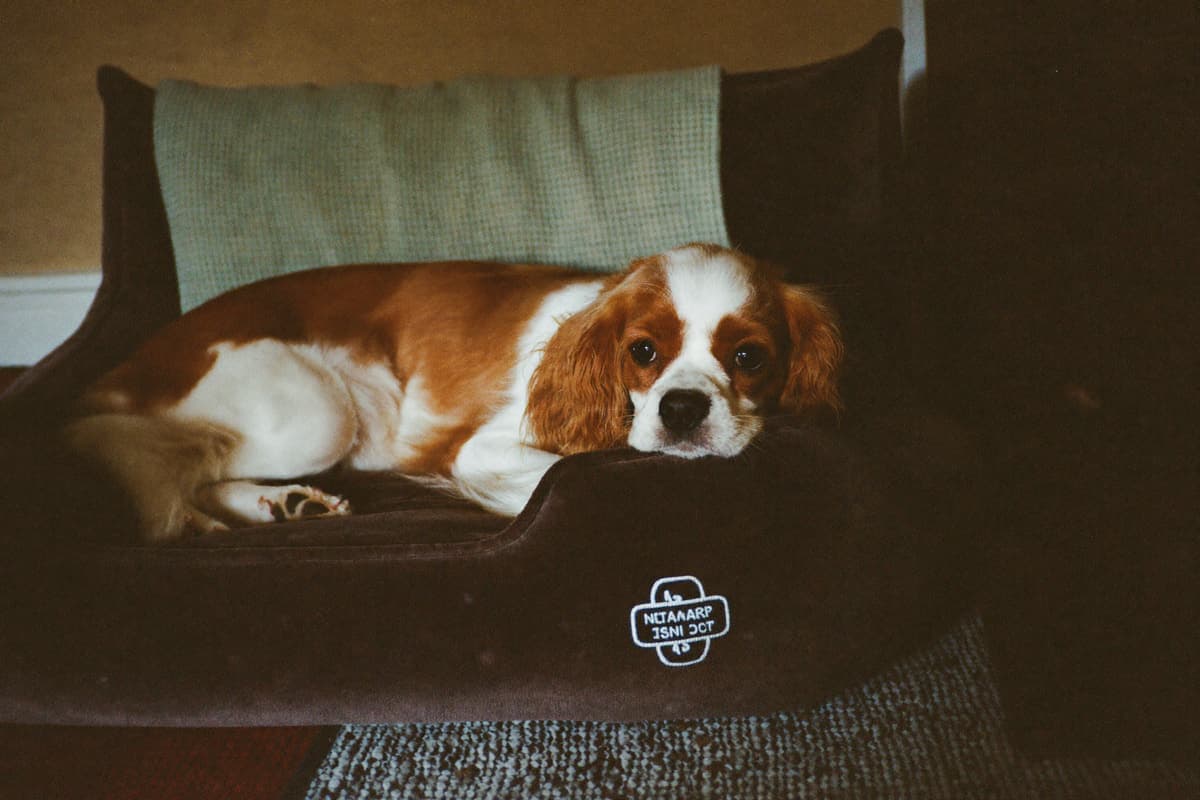
Somewhere around eight years old, most Cavaliers start to shift from "middle-aged dog" to "senior dog," not all at once, but gradually enough that owners sometimes don't notice until a sitter points something out. None of this means a senior Cavalier is fragile or hard to care for. It means the handoff between owner and sitter needs a bit more detail than it used to, and a few extra habits during the stay go a long way.
In fact, plenty of senior Cavaliers do better in a home-based swap than they ever did in a kennel: quieter environment, one consistent person, and a routine that can flex around an older dog's needs. Keep that in mind as you read the rest of this.
Mobility: stairs, sofas, and getting around
An older Cavalier's joints and stamina aren't what they were at three. Watch for stiffness after naps, hesitation at the top of stairs, or a reluctance to jump onto furniture they used to hop up on without thinking. None of these are emergencies; they're just signs the dog needs a little help.
- Ask the owner whether the dog uses ramps or steps at home for the sofa or bed, and replicate that setup if you can.
- Block off any staircase the dog isn't used to navigating alone, especially in an unfamiliar house.
- Choose flooring-friendly routes for walks; a senior dog with early joint stiffness does better on grass or sidewalk than on a slick tile floor.
- Let the dog set the pace on walks. Shorter, more frequent walks tend to work better than one long outing for an older dog.
Hearing and vision changes
Senior dogs often lose some hearing or vision gradually, and owners don't always realize how much until someone outside the house notices. Ask directly: does the dog respond to voice commands from any direction, or mostly when facing you? Any cloudiness in the eyes, or trouble finding toys and food bowls in dim light?
If a dog's hearing has declined, avoid startling them by approaching from behind; a gentle stomp on the floor or a hand in their sightline before touching them prevents a started reaction. If vision has declined, keep furniture in the same place throughout the stay and use a light in hallways at night. Both changes are extremely common with age and rarely require anything beyond a little extra awareness from whoever's caring for the dog that day.
Medication complexity
Senior Cavaliers are more likely to be on more than one medication at once, commonly something for heart health, joint support, or another age-related condition layered together. This is exactly the situation where a clear, written schedule matters most. If you haven't already, pair this checklist with our medication guide for sitters, which covers the missed-dose protocol and the med-log habit in detail.
A few senior-specific notes: ask whether any medication needs to be given with food, whether timing is flexible or strict, and what the owner wants done if a dose is missed. Write it all down rather than trusting memory across a multi-day stay; the more medications in the mix, the easier it is for details to blur.
Sleep pattern honesty
Older dogs sleep more, and that's normal, but the pattern matters more than the total hours. Ask the owner to describe the dog's actual sleep pattern honestly: does the dog nap most of the day and perk up in the evening, or the reverse? Restlessness at night, pacing, or a new difficulty settling can be worth mentioning to the owner, since sleep changes are sometimes the first sign something's worth a vet visit (not something to diagnose yourself, just something to flag rather than assume is nothing).
Appetite watch
A senior dog's appetite can shift for ordinary reasons: less activity, a slower metabolism, dental discomfort that makes hard kibble less appealing. Ask the owner what a normal meal looks like for their dog specifically, including how long the dog usually takes to finish. During the stay, note whether the dog is eating on the usual timeline, and treat a genuinely skipped meal (not just slower eating) as worth a call to the owner, especially paired with any other change.
The senior handoff sheet
For an older dog, consider building a simple one-page senior handoff sheet alongside the usual Cav Card: a short list covering current medications and timing, mobility notes (ramps, stairs to avoid, preferred walking surface), hearing/vision status, normal sleep pattern, and appetite baseline. It takes ten minutes to write and saves a sitter from reconstructing all of it from memory on day one. Many owners find it useful to keep a running version updated as the dog ages, rather than rewriting it from scratch before every stay.
Why home swaps often suit seniors especially well
A kennel environment (unfamiliar dogs, staff on rotating shifts, a schedule built around a facility rather than a dog) tends to be harder on an older dog than a home setting with one consistent person. A senior Cavalier who startles more easily, needs help with stairs, or simply prefers a quiet routine usually does better with a host who can adjust to their actual pace, rather than a facility built around a general population of dogs of all ages. Gentle, unhurried, and familiar tends to beat busy and unfamiliar as dogs get older.
FAQ
At what age should I start treating my Cavalier as a "senior" for care purposes?
There's no hard cutoff, but many owners and vets start being more attentive to mobility, medication, and sleep changes around age eight. Every dog ages differently, so watch the individual dog rather than the calendar alone.
My senior dog has never needed ramps before. Should I bring one anyway for a stay?
If the dog hasn't needed one at home, it's probably not necessary yet, but ask the owner directly since they know their dog's current mobility best. A folded towel as a temporary step can help in a pinch if you notice hesitation at an unfamiliar sofa or bed height.
How do I tell normal senior slowdown from something that needs a vet call?
Gradual changes over weeks or months (slower walks, more sleep) are typically normal aging. Sudden changes over a day or two, especially paired with appetite loss, are worth a call to the owner regardless of the dog's age.
Is a senior dog with multiple medications too complex for a first-time sitter?
Not necessarily; the medication guide and a clear handoff sheet handle most of the complexity. What matters more is a written schedule and open communication with the owner, not sitter experience level specifically.
Every CavSwap stay comes with a printed Cav Card, and for senior dogs we encourage owners to attach the handoff sheet described above. Pair this with the medication guide for sitters for any dog on multiple prescriptions, or see what a dog-sitting swap actually is for the bigger picture. A senior Cavalier deserves a calm home over a kennel. Join the circle to find one near you.